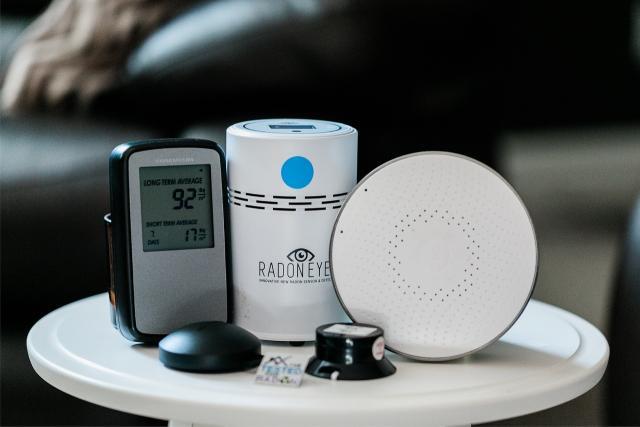
Radon is an odourless, radioactive gas that seeps into homes and buildings from the soil.
Long-term exposure to elevated radon levels is the second-leading cause of lung cancer in Canada. It's responsible for more than 3,200 deaths each year.
Lisa Gaudet is the City of Dauphin's deputy manager.
"We also know that 43 percent of homes in Manitoba exceed the national radon guideline of 200 becquerels per cubic metre," said Gaudet. "The Parkland area has particularly high levels of radon. Dauphin's radon exposure levels are the highest in Canada."
November is Radon Action Month. On Tuesday, December 9, the City of Dauphin will be hosting a radon information session at the Dauphin Public Library at 7:00 p.m. They'll be giving away 100 free 90-day alpha-track radon test kits, and you'll learn how to test your home. You'll also find out what to do if your levels are high.
The Dauphin Library also has a lending program for digital radon test devices. Gaudet encourages residents to sign out a device, just like you would a book. Gaudet says the high numbers in Dauphin are alarming.
"It is critical that people test and mitigate if their levels are high. We rolled out a 100 radon test kit campaign last year. The results show that 84 percent of the homes tested during that campaign are reading higher than 200 becquerels per cubic metre," ended Gaudet. "The highest reading we saw was nearly 4,000 becquerels per cubic metre. Non-smokers who have high levels of radon in their home over their lifetime have a 1-in-20 chance of developing lung cancer. For smokers, that risk is 1-in-3."
If your home reads between 200 and 600 becquerels per cubic metre, it's recommended to remediate it within two years. If the radon reading is greater than 600 becquerels per cubic metre, you're encouraged to remediate within a year.