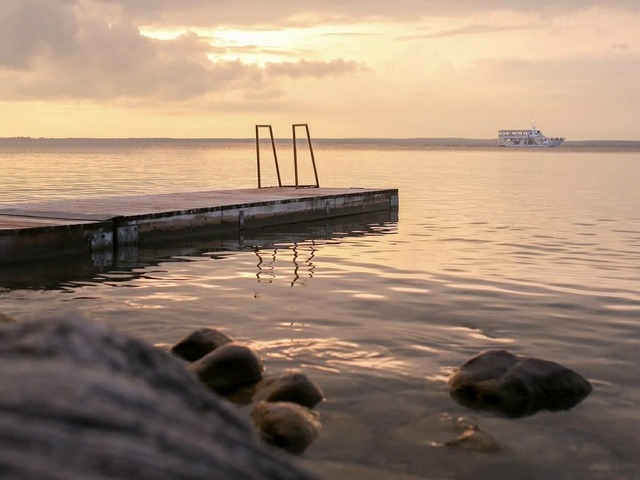
On Wednesday, Parks Canada announced it is lifting the ban on motorized watercraft within Riding Mountain National Park.
It's welcomed news to many in the region who love spending time on their motorized watercrafts during the beautiful summer days.
The decision was made after a third-party literature review on the impacts of motorized watercrafts on freshwater lakes. Another factor in the decision was public consultation. Dauphin held a consultation meeting, as did other communities in the region.
Parks Canada also launched an online survey that received over 1,300 responses.
Tom Sheldon is the superintendent for Riding Mountain National Park.
"So those three pieces of input combined with a lot of consultation and engagement, including stakeholders and, to be honest, individuals. They requested meetings and came in to chat with me," said Sheldon. "All of those fed into the eventual decision."
As part of Wednesday's announcement, there will be a new watercraft management plan that includes an expanded no-wake zone to help protect shorelines. Currently, under Transport Canada's vessel operation restrictions, vessels are limited to operating a maximum of 10 kilometres per hour within 30 metres of shore.
That'll be expanded, but Parks Canada hasn't landed on the exact number.
"The purpose of that expansion is to reduce environmental impacts on shorelines and shallow areas," added Sheldon. "It'll also enhance safety for paddlers and swimmers. It's also that sense of mental security. If you're a novice paddler, it provides you with that extended sense of mental security."
The plan includes a mandatory tagging program, two weekly non-motorized days, and designated dawn and dusk "quiet" periods for non-motorized use only.
All watercraft, fishing gear, wetsuits, and inflatables must be inspected by Parks Canada staff and decontaminated as necessary. The Clean, Drain, Dry protocol must be followed. Motorized watercraft are only allowed on Clear Lake and must be secured to your trailer with a Parks Canada tag when not on the water.
Non-motorized watercraft, including kayaks, canoes, paddleboards, and water equipment, must choose one annual permit. This permit is for Clear Lake or other outlying lakes within RMNP.
Sheldon appreciates the feedback from the public.
"I'm grateful for all of the meetings and feedback that I've been able to have since I started in this role six to seven months ago," ended Sheldon. "We are looking forward to building towards the implementation of this."
Potential implementation of the new management plan could be in 2027.
We will hear from Fairness for Clear Lake on Friday.