The Manitoba government has expanded their infant RSV protection program to all infants, not just those at higher risk for the virus.
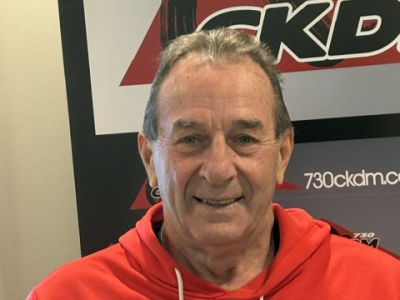
Dr. Peter Benoit, Medical Officer of Health with PMH, said the change just makes sense, considering how RSV affects infants and children.
"Most people infected with RSV will experience cold-like symptoms, such as a runny nose, coughing, sneezing, fever, infants may be more irritable, they may have difficulty breathing, poor appetite, feverish activity...[infants] are more likely to need to go to hospital or have more serious issues, under 6 months would be the highest risk, children up to 1 year of age are also at higher risk, and it tends to cause infection of the lungs and airways, it's the most common cause of pneumonia and bronchiolitis for children under 1 year of age," said Dr. Benoit.
The province's infant RSV protection program has been around since October 2025. This recent expansion allows for doctors to administer a drug called Nirsevimab.
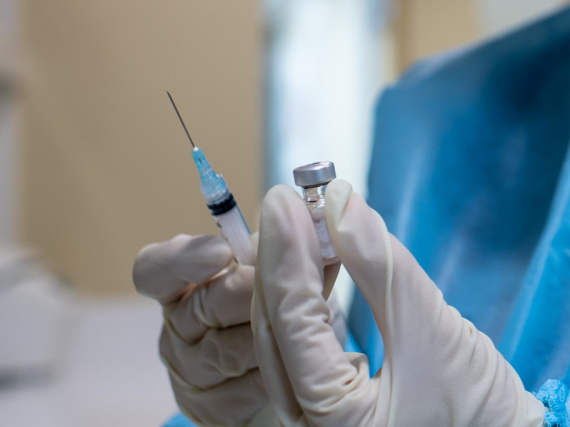
"[Nirsevimab] is a long acting passive protection, so it's actually an antibody that stays there over time and protects you from exposure, so the idea is to provide that very soon after birth to these infants and it it long acting, and you only have to give 1 dose, and it kind of provides that passive protection for them during their highest risk period, which is when they're young, under 6 months," said Dr. Benoit.
Dr. Benoit said the inclusion of Nirsevimab in the province's infant RSV protection program makes things a lot easier for both doctors and families, because of how easy it is to administer, and the fact that it's just one injection.
"This new product, the great thing is that it's a single injection so it's simpler to administer, and we know that there are some infants that are higher risk, but all infants do have some risk for RSV," said Dr. Benoit.
According to Health Canada, 40.9% of all RSV infections in Canada are in children under 4 years of age.