The province of Manitoba has declared a public health emergency related to HIV.
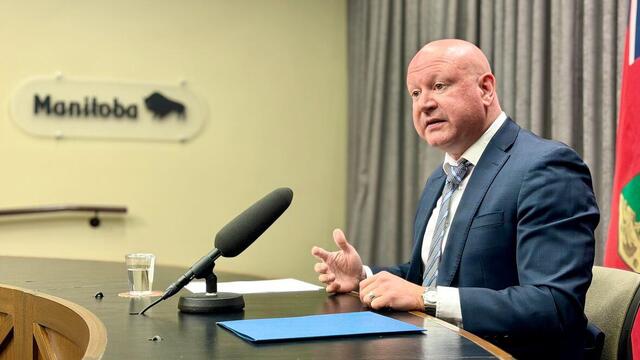
Dr. Brent Roussin, the province's chief provincial public health officer, said Manitoba is facing some of the highest rates of the disease in Canada.
"In 2025, there were 328 new cases reported," said Roussin. "If we compare that to 2021, we saw 142 cases that year."
Prairie Mountain Health and the Northern Health regions have some of the highest rates. The largest number of cases is diagnosed in Winnipeg.
"We know that Indigenous people are disproportionately affected by this," added Roussin. "That relates back to all of the factors that come from the ongoing effect of colonization."
In 2024, Manitoba reported 19.5 cases per 100,000 people, over three-and-a-half times the national rate of 5.5 per 100,000 people. More than 50 percent of HIV cases in Manitoba are female. That's far above the Canadian average of 32 percent.
There was one perinatal case in 2024 and another in 2025, where infants were born with an HIV infection. Prior to 2024, the last case of perinatal transmission was in 2021. Most newly diagnosed females are under 40 years old, which increases the risk of more perinatal cases.
"We want to emphasize here that HIV is preventable and treatable," added Roussin. "We have effective tools available for prevention, such as condoms and harm reduction services. We have medications for both pre- and post-exposure prophylaxis covered for eligible Manitobans."
HIV spreads through activities like unprotected sex or sharing needles. It is not spread through coughing or sneezing, by touching someone with HIV, or from contact with surfaces like toilet seats, countertops, or sinks.
Early diagnosis saves lives. Symptoms of HIV vary, with many experiencing flu-like symptoms two to four weeks after infection. Early symptoms include fever, rash, sore throat, fatigue, and swollen lymph nodes.
The only way to be sure know if you are infected is to get tested. Rapid tests, lab tests, and at-home test kits are all available options.
"When an individual living with HIV takes their medication regularly, the level of the virus in their blood becomes undetectable, eventually, even with our very advanced testing," added Roussin. "With this, people living with HIV live long and very fulfilling lives."
When the level of the virus in an individual's blood becomes undetectable, they're unable to share the virus with others.
"We know the term 'undetectable means untransmissible," commented Roussin.
Since 2023, the Manitoba government has invested an additional $8 million annually to remove barriers and support increased access to care for HIV and other sexually transmitted and blood-borne infections, including:
- providing pre-exposure prophylaxis, post-exposure prophylaxis and antiretroviral therapy for free through the Manitoba Enhanced Pharmacare Program (MEPP);
- expanding Indigenous-led and community-based services that improve access to HIV prevention and intervention;
- adding communicable disease technicians to all health regions to support STBBI follow-up; and
- advancing the Program to Access Treatment for HIV and Support (PATHS).
Roussin added that the goal of the province is to reduce new infections and improve access to care for those living with HIV, along with addressing the conditions that are driving transmission rates in Manitoba.
"So this emergency is not about creating fear," ended Roussin. "It's about acknowledging the reality that individuals and communities are facing right now and addressing that with a level of urgency."
Studies show that around 25 percent of people with HIV are unaware, do not have symptoms, and may continue to spread the infection without knowing.
For more information about HIV, head here.