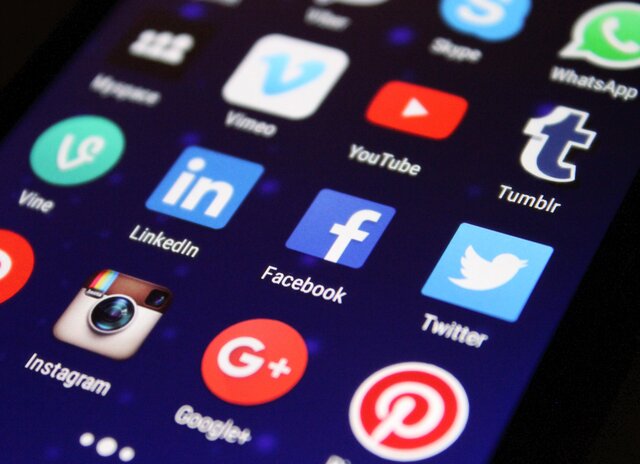
From April 30 to May 15, Doctors Manitoba invited physicians to complete a survey after Premier Wab Kinew announced Canada's first social media and AI chatbot ban for children under 16.
Over 60% of the responses included family physicians, pediatricians, and psychiatrists. There were 242 responses. Social media, AI chatbots, and excessive screen time are increasingly being identified as a major health risk by researchers, physicians, and other experts.
Dr. Alon Altman is the president of Doctors Manitoba.
"Doctors believe social media, screen time, and chatbots are among the top risks to children's health and well-being," said Altman. "Ranking higher than even smoking, drinking, injuries, and sedentary lifestyles. It's no surprise that over 90% of doctors in Manitoba support the government's proposed ban on social media for children and youth."
Almost 32 percent of the doctors polled believe the proposed ban should extend to youth 17 and under, rather than the proposed 16 and under.
"Physicians also see the potential of other safeguards," added Altman. "Such as removing addictive elements like infinite scrolls, more robust content moderation, and eliminating advertising for minors."
7.5 percent of the doctors polled opposed the ban. The reasons include.
- Skepticism about Manitoba’s ability to ban major international digital apps.
- A belief that a ban alone is not enough to reduce the harms and prepare youth for eventual access.
- Concern that bans could face legal, ethical or privacy hurdles to implement.
Some physicians also pointed out that social networks, with risks removed, can offer benefits as youth get older, such as reducing isolation and fostering peer connections.
Australia recently became the first country in the world to ban children under the age of 16 from using major social media platforms, including TikTok, Facebook, Instagram, X, and YouTube.
Many physicians also agree that children and youth should receive digital literacy education to help them learn about the risks and prepare for an age when they can access social media and AI chatbots with no restrictions. Digital literacy is the ability to safely and critically find, evaluate, create, and communicate information using digital devices.
As a parent, Altman would like to see his children receive more formal education.
"We all had typing and keyboard class when we were in school," ended Altman. "I think social media education is the next step of IT literacy in schools. I think it has to be a combination of educational programs."
Kinew has hinted that the ban could extend to teachers using YouTube in the classroom. He did not say how it would be enforced or provide a timeline.
Gord Olson is a Staff Sergeant with the RCMP. He worked in the Internet Child Exploitation Unit (ICE) from 2010 to 2025. In a previous conversation with him, he's thrilled with Kinew's proposed ban.
"You know, I love that decision," ended Olson. "I am really interested and looking forward to seeing what the province does to police that and try to mitigate anyone under the age of 16 being able to access this type of social media."
This is a developing story that CKDM NewsNow will continue to cover.