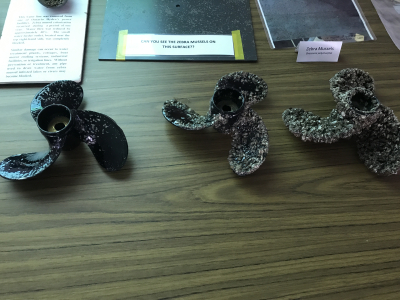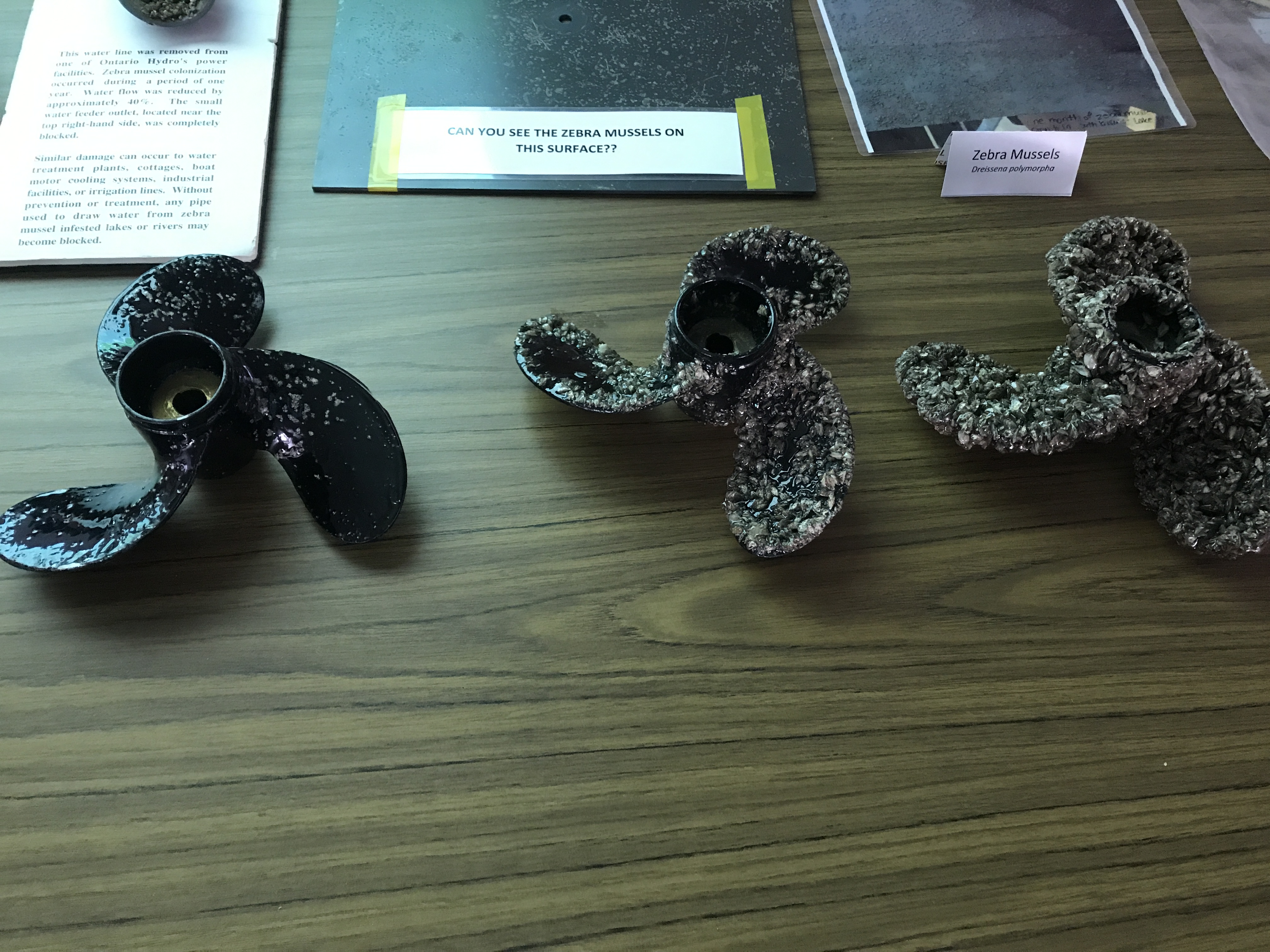
The Province of Manitoba has received reports of, and confirmed, the presence of fully-grown zebra mussels in Lake Winnipegosis and Waterhen Lake, according to a news release.
Jeff Long, Aquatic Invasive Species Director for the Government of Manitoba, said the Province has activated their Aquatic Invasive Species Early Detection Response Plan, and have already taken measures to limit the spread.
"We have notified our local parties of interest, which includes First Nation governments and leaders, and other particular parties of interest. This is important because those [are] the people on the ground who are using those areas...people can't go in unless they do exactly the same thing they would have to do in any other zebra mussel invaded waterbody, you know we have Lake Winnipeg as a control zone, and in that case, you have to clean, drain, dry, and decontaminate your watercraft and water-related equipment before you go into any other waterbody in Manitoba," said Long.
This is the second major waterbody in Manitoba in recent months to have positive reports of zebra mussels. In early July, the Province verified the detection of zebra mussel veligers in Lake of the Prairies, as a result of regular testing. The detection in Lake Winnipegosis and Waterhen Lake is the result of someone directly reporting grown zebra mussels to the government, which was confirmed by testing for veligers.
"Our routine surveillance found the ones at Lake of the Prairies, the one at Lake Winnipegosis was a report from a person who found these on their vessel, so they reported that detection to government," said Long.
Typically, zebra mussels mean no good for a waterbody, but not in the short term - any serious effects take a while to show. Most of the impact that zebra mussels have is on the ecosystem through changes to the food chain, which won't be felt on a large scale for a while.
"Those things usually take time for those to sort of work their way through, because each aquatic ecosystem is different, and the response to an invasion of any aquatic invasive species can be different from another waterbody...those impacts on resource users are driven by the fact there are ecological changes underneath the water that people don't see. Those cause water quality effects and algal effects, macrophyte effects, different changes to the zooplankton community, and consequentially up through to the fish community," said Long.
The Province has also enhanced inspection stations along major routes in the area, and leading to Lake Winnipegosis and Waterhen Lake.