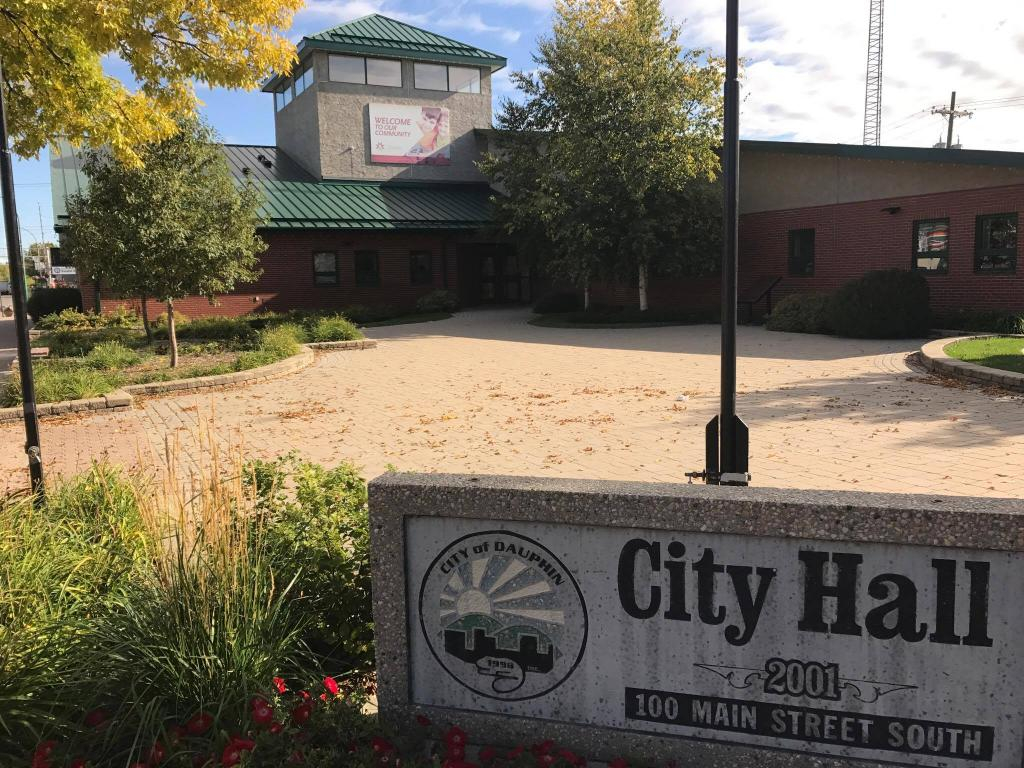
Leading up to the Manitoba Municipal Election on Wednesday, October 28th, CKDM NewsNow is reaching out to each Parkland candidate, to find out what their priorities are, and what they hope to accomplish in their communities. We reached out to each candidate in the City of Dauphin, and spoke with the ones we could reach, asking a series of standard questions.
In the City of Dauphin, there are 3 candidates running for Mayor, and 10 running for Councillor.
Q: In your opinion, what are the biggest concerns facing the City of Dauphin?
Steve Sobering (Mayor): "I think the biggest concerns are addiction, homelessness, mental illness, which leads into safety and crime. I think the other issue the City is facing is housing, we need more housing, multi-unit and single-unit, and I think the other issues are basically infrastructure, we need to improve some of our old, aging, crumbling infrastructure. We were hit with a flood, and a lot of the homes had sewer backup and whatnot, we need to assist people in upgrading their water connections so they don't have that same issue again and again."
Carter Taylor-Luke (Mayor): "There's a lot of concerns quite frankly, I can consider 3 of them to be top priority. I think having a jail would be a big one, ever since getting rid of one, also on that note helping RCMP with better equipment, better training, getting more police to be around to make Dauphin feel safer, that'd be a big one, and the infrastructure itself, some of the roads need to be redone that haven't been done in years, on top of infrastructure, the dilapidated housing crisis, there's a lot of houses that are boarded up, we can look at fixing up some of those, there's a lot of issues I can go over, but those are some of the top ones that come to mind."
Jason Alf (Councillor): "I would say probably the crime in the town, the crime rate and the perception of the crime rate is a huge thing, as well as the unhoused situation in Dauphin...I would say that, at the time right now probably crime and the unhoused situation."
Randy Daley (Councillor): "I think my priorities would be advocating to continue work on the hospital, I mean that's our biggest challenge right now, to get our hospital up and running, so while we can't do anything physically, we can stay in touch with people that can, and try to make sure that people are informed, and we know how things are progressing. That will be at the forefront for myself, and for everybody I would assume. Working with the Justice Minister to make sure that all of the requirements that we need to get done to get started on the Justice Centre is another issue, to make sure there's no delays there, and the daycare's already under construction and moving, so again, advocating on their behalf to make sure we can get enough staff to properly run the daycare. The other things that would be high priorities for me would be disaster mitigation, planning, and development, along with what's important for any city council is to focus on infrastructure and our own staff."
Christian Laughland (Councillor): "I mean there's a lot, but if you highlight a bunch of them, I guess I would start with improved living and housing overall, I mean Dauphin has the jail coming, new Justice Centre coming, and housing is gonna be one of the top priorities, with improved living there as well. Economic growth for the community is important, crime reduction, we all see it, we all know what that's about, tourism and recreation, and I'd like to continue with truth and reconciliation and lots of collaboration too."
Richard Mitchell (Councillor): "Well the biggest concern I believe in Dauphin, which is everywhere else, is reduction of crime, and if we don't tackle it up front, crime in whatever capacity it manifests itself, it will just go on a surge, and then by this time, too many people will be hurt and go through unnecessary loss of property, or even lives."
Amanda Novak (Councillor): "I believe Dauphin is facing several interconnected changes, but the biggest are economic development, community safety, homelessness and addiction, and aging infrastructure. I'd like to see us look into diversifying and strengthening our local economy, Dauphin has a strong agricultural base, a strategic location, and a lot of potential, but we need to be more proactive in attracting that investment and developing value added agriculture and food processing, supporting manufacturing and distribution, and creating opportunities for new and expanded businesses. Community safety is another major concern, residents should feel safe in their homes, neighbourhoods, and businesses."
Ted Rea (Councillor): "Well I think number one across the province is crime and safety, people want to live in a city that they feel safe, and our RCMP are doing a great job, they have officers that have started to walk the downtown area in the last year, which I think is great, and we have many government agencies in the city that are connecting and working with people that have various mental health and/or drug issues, however they're all short staffed, and basically overworked. This is true across the province, and so we need to get together as municipalities to lobby the Provincial and the Federal governments to help try and change the situation. I believe also the Centre for Justice is going to help out, but that's 4 to 5 years down the road, so our voices need to be heard now, and we need to start considering other alternatives."
Michael Winter (Councillor): "Safety's a concern, everybody I talk to, they don't quite feel safe. When I was a kid growing up here, you'd always see the police patrolling Main Street and everything, and now you don't really see them very often. In the last year I notice more of a presence, which is fantastic, I'd like to see more of that."
Q: If elected, what do you hope to accomplish in a 4 year term?
Sobering: "I think the biggest opportunity the city faces is improving on our tourism plan. We have a large investment happening in Riding Mountain National Park with the Northgate project in the Edwards Creek expansion, I think that's gonna bring a large volume of visitors. I want to continue work on the Craft District, finishing that so we have an attractive destination for those visitors to come and spend their money, I also think another opportunity is working with the Province, obviously the announcement of the Justice Centre, the corrections facility, that's a large capital project, estimated cost around $140M and that's going to create jobs, but also housing demand, so there's also a big opportunity there. Working on and continuing to work on improving our recreation, it's not probably the top as it was in our first 4 years, but it's still something that I think is still important to people, and I think it's something that we definitely have some opportunities to improve."
Taylor-Luke: "Just making sure that the city functions properly, a lot of our lights need to be looked at, make sure the crosswalks, those things work properly, once again housing, that is a big thing, I know that right now they have a beautification project that they're in the process of, I just want to make sure there's some suitable housing situation for a lot of people, we do have kind of a bad homeless problem, not the worst, but it is something that we would look into, want to get people off the streets and into houses, that would be pretty nice to do. Once again, big on the RCMP, I think we need a lot more officers to assist in keeping us safe and protected."
Alf: "I think there's a perception that a ton of things could be done, but I think that my goal right now is to once again be part of a great team here, and try and reduce some of the biggest areas of concern in Dauphin as much as possible. Will we solve crime situation, no, but if we can reduce some of that, that would be great, if we can find places for people that don't have housing and things like that and start working on that situation that would be great too, but I would just like to see some sort of a step forward."
Daley: "I would like to see the start and finish of the Justice Centre, I would like to see more development, both downtown and continuing to build on the south end as well, housing is another concern for us because again, we're moving into projects that'll bring people into town to work, and I think our housing is pretty tight, so that will be a big ticket item, to make sure we can work with developers to increase our housing."
Laughland: "Continuing to move Dauphin forward, I mean Dauphin's in a pretty good spot, I'd even say Dauphin is kind of at a fork in the road right now, we need to continue to keep our pedal to the metal when it comes to economic growth in the community, we've had a lot of good things happen here over the last 4 years, and like I said housing is going to be really important these next 4 years, and overall growth of the community, we've expanded the lagoon from that end for sewer water and improving things like that, infrastructure's important too, and we can't forget about the flood that we just had on July 1st, and the fact that we need to look at ways to obviously stop that from happening ever again."
Mitchell: "There are several things, one for most, outside of being the mayoral candidate has the responsibility of communicating and contacting and keeping in touch with the entire city, and if it was my doing, other smaller rural, and larger municipal centres have wards where we can be able to focus on the need of that particular riding or ward, more so everyone acting in the capacity as a mayor, speaking and hoping to get support from the entire city, which is a gross default on the process, and others are pretty much, population growth, to encourage residents to be more producing, and a population that is growing also needs good viable applied education that they would be no only active and resourceful in the outer skirts, but also in the immediate Dauphin itself."
Novak: "Through my experience with Dauphin Neighbourhood Renewal, I've also seen first hand challenges faced by people experiencing addiction and housing instability, we need to advocate for increased treatment capacity, because what is happening is we do have people that do want help and turn their lives around so they can be safely housed, but there is long waiting periods for people to get the help they need, and by the time when they're ready to go, there's just nowhere to send them."
Rea: "When I ran 4 years ago for the first time, my main priority at the time was recreation, and I've always, I grew up here in Dauphin and always took part in many sports, and it managed to keep me out of trouble for most of my young adult life, and I firmly believe that recreation is not just getting out and improving your health, it's bringing people to our city, and also giving them a reason to stick around, it gives people a sense of belonging, and I think as a child myself growing up and playing hockey in the city of Dauphin, it gave me a sense of pride, and I think that's important with kids to keep them on the straight and narrow, is keep them involved."
Winter: "I would like to give everybody a voice. After a 4 year terms, I'd like to know that everybody felt like they were heard, they had a voice concerning their community. I would like to see our beautiful town have more revenue, I would love to be a part of making changes in Dauphin."
Q: What lessons did or didn't the City of Dauphin learn in dealing with recent flooding?
Sobering: "The first one is, we spent some time afterwards talking about what happened, what are the things that we did well at, what are the things that we could improve on, and one of the things we've already started discussing with the Province is being connected to the provincial monitoring system, so we can monitor the water levels as they come into the reservoir, flow down Vermillion River, and also track it into the city, gives us a little more time, even though that probably wouldn't have prevent any damage, it might have given us more time, the other thing is that we look at dealing with the effects of climate change, the increased level of rainfall, and water and you combine that with the drainage, we have to actually look at diversion, long-term solutions, maybe even some wetland, something that can take on some of that water and slow it down, and hopefully improving our infrastructure so that we can deal with these 200 years floods like this on our own infrastructure."
Taylor-Luke: "I think our drainage system could really be looked at properly. Once again in that parking lot of Credit Union Place, I don't know how many people have noticed this, but a lot of the drainage systems are above ground, which I have no idea how that works because gravity brings all the water down, so they should be below ground to help water flow out properly, and I know coming from the mountains that we have a lot of areas out there, maybe getting bigger ditches or getting some trenches out there to hold some water just in case that happens again, that might be able to be something that we could look into doing."
Alf: "Preparation, when something happens twice in 50 years, I can understand the possibility of not being prepared for it, thinking it may not happen, but I think we need to be proactive in as many things as we can do over the next amount of time to try and prevent anything like that happening, as far as flooding or any other kind of major concern that could happen."
Daley: "We needed to have more warning systems in place, it's very hard to have imagined what actually occurred. I mean, the perfect storm is kind of thing that's cliche, but that really was the perfect storm. Now we know that we have to work in conjunction with Riding Mountain National Park, with the RM of Dauphin, to try to mitigate damage, if and when that happens again, we have to be able to slow the flow of water, that planning process is already in place. It's a lesson learned certainly that, expect the unexpected. That was way above anything we've ever had in emergency management, but now we know it's possible, and that it could happen again."
Laughland: "It was kind of a once in possibly a lifetime even, they hadn't seen a flood like that in I believe it was over 50 years. Something I wouldn't mind seeing, and we'd have to work with the Province for this, but we'd like to see an early warning system kind of up the river towards Riding Mountain National Park, so that's something that we learned, that we need a little bit more time to prepare for those things if rivers and that are rising, just the overall preparedness of the community, there's certain things that we need to look at and we have looked at, but I think just the early warning signs are kind of the key things right now, and for that we need to work with the Provincial Government to make that better."
Mitchell: "The recent flooding is immediate, I believe in planning, building that infrastructure, one has to have a visionary insightfulness of the possibilities, whether it's storm, whether it's snowfall, whether it's emergency preparedness which covers disaster as we did encounter, so I believe a better assessment, more so than the dead pond or dead river that's supposed to absorb a large portion of water, could maybe create underground, that the dead pond or dead river is not the only reservoir that exists here in Dauphin that will relieve some of the near residents that was also flooded due to the fact of poor planning concerning water drainage."
Novak: "We need to take an honest look at what worked and what didn't work, and where the vulnerabilities are, I think the biggest lesson is that we can't simply respond to flooding after it happens, we need to be planning for the next event before it happens, and there are other things we can do, develop a long-term strategy, we need a comprehensive flood management strategy that looks at drainage infrastructure, emergency response, and potential infrastructure improvements."
Rea: "That's an issue, and I think myself, I'm still trying to get my basement back in order. I think flood mitigation is important to the people, we can't predict nowadays with climate change what's gonna be happening with weather, so we need to find ways to be able to react better to the situations that happen to us, I think we are now, right now dealing with the Provincial Government to try and come up with a better monitoring system in our area, and we've talked about, and I know it's out there, that there's diversion plans as far as diverting water from the Vermillion River, and that's also something that the Province would do, it's nothing that the Municipality can take over."
Winter: "A lot of people I know, they had sewer backup in their basement, and a lot of it had nothing to do really with the rain, they had more sewer backup than overland flooding or seepage through the walls and floors, I know we have a problem with our sewage system, and that needs to be dealt with as soon as possible, I feel that Dauphin knows that, I feel that it will be rectified, and it was a major catastrophe for a lot of the residents."